
How to Make the Most of Winter Break
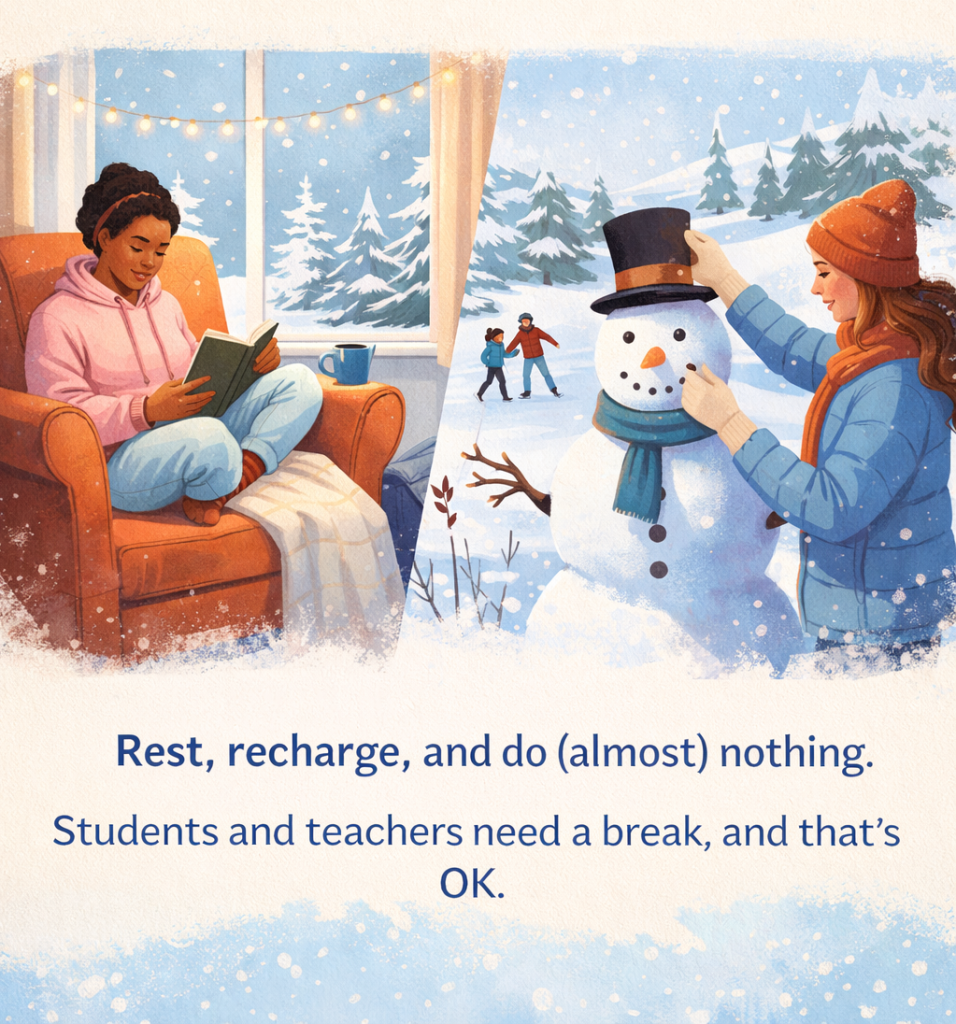 As the final bell rings and the last assignments are handed in, students and educators alike breathe a sigh of relief. Winter break is finally here. After months of packed schedules, deadlines, and assessments, the break offers a much-needed pause — not just for rest, but also for recalibration.
But between Netflix binges and long naps, how can students and educators make the most of this time off without turning it into more work?
Here are a few ways to recharge, reconnect, and return in January ready to go — without the burnout or pressure.
1. Actually Take a Break
Let’s start here. Students, educators, and families deserve real downtime. Winter break shouldn’t just be a bridge to the next round of projects — it’s a chance to:
- Sleep in.
- Step away from screens.
- Get outside.
- Do something enjoyable that isn’t on a checklist.
Downtime is essential for mental health, motivation, and memory retention. So if your student needs a few days of doing absolutely nothing, that’s okay.
2. Unplug to Reconnect
Many students spend hours a day in front of a screen during the school year — especially in virtual learning environments. Winter break is a good opportunity to unplug from devices and reconnect:
- With family and friends.
- With nature.
- With hobbies or creative outlets.
Crafts, cooking, reading, building, or volunteering can all give students a sense of accomplishment and joy — without requiring a login.
3. Reflect on the First Half of the School Year
Reflection doesn’t have to mean writing an essay. Even simple conversations can help students process:
- What went well this term?
- What was challenging?
- What’s one thing they’d like to do differently in January?
These chats are especially useful for middle and high school students who are developing executive function and goal-setting skills. It’s also a way for parents to stay involved without pushing academics.
4. Keep the Mind Engaged — Gently
We’re not talking about hours of homework. But light-touch learning can keep brains active and reduce the post-break slump. Consider:
- Short virtual K–12 tutoring sessions once or twice over the break.
- Reading together (or listening to audiobooks).
- French or English Language Tutoring (ESL) games for multilingual learners.
- Educational YouTube videos, documentaries, or interactive websites.
The key is low-pressure, interest-driven learning that doesn’t feel like school.
5. Explore Real-Life Skills (That Aren’t in the Textbook)
Winter break is a great time to introduce or practice essential life skills that support long-term success. Our skills training programs focus on areas like:
- Communication
- Conflict resolution
- Time management
- Goal setting
These are especially helpful for teens preparing for work, internships, or volunteer roles. Many Indigenous and remote communities also use this time to offer pre-employment training for high school students.
6. Support for Families Who Need It
Not every student thrives on unstructured time. Some may need more routine, extra academic reinforcement, or social-emotional support. For families looking to maintain momentum, Progressive Learning Academy offers:
- Live-instructor-led online learning during the break.
- EXCEL tutoring memberships that continue through holidays.
- Inclusive learning support for students with unique needs.
- Personalized learning that adapts to student strengths and challenges.
We work with K–12 students, adult learners, and organizations across Canada — including Indigenous communities and remote schools.
7. Educators Should Take a Break Too
If you’re an education manager, principal, or administrator — this is your break too. Many of you have been:
- Coordinating last-minute IEPs and report cards.
- Managing student needs and staffing challenges.
- Supporting families with limited access to learning tools.
Take some time for yourself. Disconnect from work emails. Revisit your own learning goals. Whether it’s a podcast, book, or walk with no agenda, the reset will help you lead better in January.
8. Plan (Lightly) for What’s Ahead
While we don’t recommend filling the break with work, it doesn’t hurt to do a little gentle prep:
- Revisit upcoming projects or assessments.
- Set small goals (e.g., improve study habits, build confidence in a subject).
- Schedule a few virtual tutoring sessions to get a head start.
This type of support is especially effective when it’s short-term and tailored to specific needs.
Final Thoughts
Winter break should be restorative — not another item on the to-do list. The goal isn’t to cram in more, but to return feeling recharged, balanced, and ready to learn.
Whether that means taking a full break or dipping into light skills training and tutoring, it’s about doing what works for your family or school community.
At Progressive Learning Academy, we’re here if you need us — during the break or once January kicks off.
Until then, we wish you a restful and joyful winter season.